Foam Gun Techniques
Foam gun application is an effective solution for gap filling and insulation in the construction industry. However, if foam gun application techniques are not applied correctly, the foam may overflow or provide inadequate filling. In this article, you will learn the most efficient and safe application methods.
Correct Application Angle
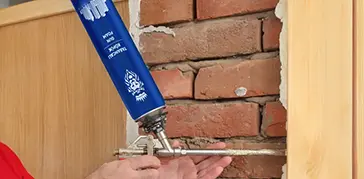
When applying foam with a gun, adjusting the angle correctly is crucial. Holding the gun perpendicular to the surface or at a slight angle ensures even expansion of the foam. Applying at too much angle can lead to overflow or uneven filling.
Techniques for Small Spaces
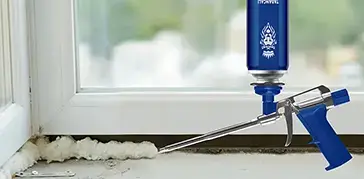
- Squeeze the foam slowly and carefully into small cracks and gaps.
- Applying in layers prevents overflow and provides better filling.
- During application, shape off excess foam with a spatula.
Techniques for Large Gaps
- Apply several layers before completely filling the large gaps.
- Allow each layer to harden, ensuring a durable sealant.
- Move the gun slowly and steadily to ensure the foam is evenly distributed.
Tips and Suggestions
- The surface must be clean and dry before application.
- Foam expands more slowly in cold weather and faster in warm weather.
- Use gloves and goggles if necessary.
- Keeping the gun clean at all times makes the next application easier.
- Trim and shape the excess before the foam hardens.
Application Areas
Foam gun techniques yield more effective results in different areas:
- Window and door installation
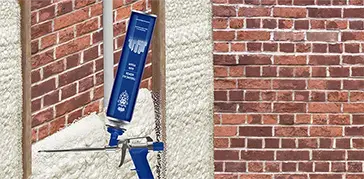
- Wall and ceiling cavities
- Sound and heat insulation
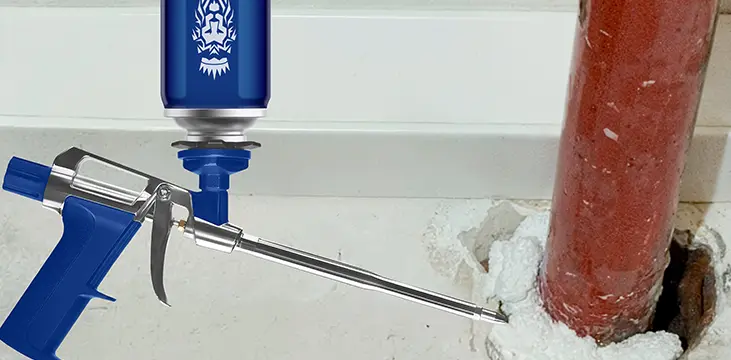
- Gap and crack repairs
- Exterior insulation
The information in this text may vary from time to time depending on the manufacturer. Always check the product label.